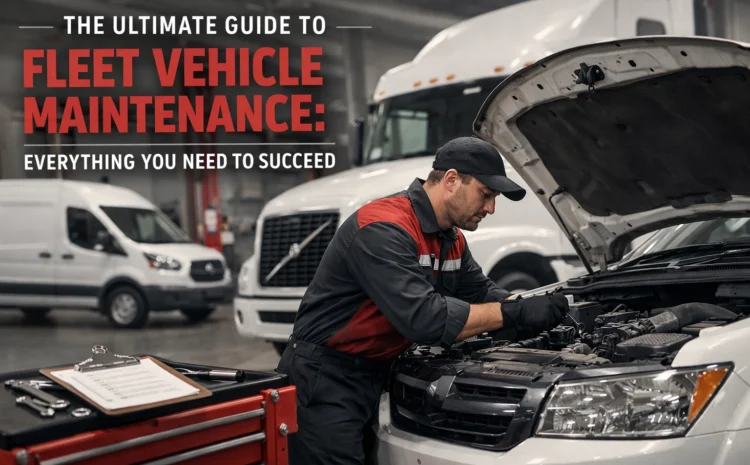
The Ultimate Guide to Fleet Vehicle Maintenance: Everything You Need to Succeed
If you manage a fleet of vehicles in Millville, New Jersey, you know that your “office” is often a moving target. Whether you’re overseeing a dozen delivery vans or a specialized squad of medical transportation vehicles, the weight of responsibility can be heavy. We understand the pit-in-your-stomach feeling when a driver calls to say a check engine light just popped on or, worse, a vehicle is stranded on the side of the road.
Downtime isn’t just an inconvenience; it’s lost revenue, missed appointments, and a blow to your company’s reputation. At G’s Automotive LLC, we see ourselves as your partners in productivity. This guide is designed to take the guesswork out of fleet vehicle maintenance, helping you transition from a reactive “fix it when it breaks” mindset to a proactive strategy that keeps your business moving forward.
Why a Fleet Maintenance Strategy is Non-Negotiable
Running a business is expensive enough without the added costs of emergency towing and last-minute rentals. Fleet maintenance isn’t just about oil changes; it’s about risk management.
There are generally three ways to handle your fleet:
- Corrective Maintenance: This is the “wait and see” approach. You fix things only after they fail. It’s the most expensive method because it involves towing, expedited parts shipping, and lost labor hours.
- Preventive Maintenance (PM): This is the gold standard. By scheduling regular inspections and part replacements (like filters and fluids), you catch small issues before they become catastrophic failures.
- Predictive Maintenance: This uses data: often from telematics systems: to predict exactly when a part will fail based on real-world usage.
For most businesses in our community, a robust preventive maintenance plan is the most sustainable way to protect your bottom line.

Step 1: Building Your Fleet Inventory
You can’t maintain what you haven’t tracked. Every successful program starts with a detailed inventory of your assets. If you haven’t done this yet, grab a coffee and start a spreadsheet (or use fleet software) that includes:
- Vehicle Basics: Year, make, model, VIN, and license plate.
- Assignments: Which driver or team is responsible for the vehicle?
- Service History: When was the last oil change? When were the brakes last checked?
- Warranty Info: Don’t pay for a repair that the manufacturer should cover!
Having this data at your fingertips allows you to see patterns. For example, if three of your vans are all hitting the 60,000-mile mark, you can budget for the major services they’ll all need simultaneously.
The Essential Fleet Maintenance Framework
Standardizing your maintenance schedule is the best way to ensure no vehicle “falls through the cracks.” While you should always follow the Original Equipment Manufacturer (OEM) guidelines, local conditions in New Jersey: like our humid summers and salt-heavy winters: often mean we need to be a bit more vigilant.
Recommended Maintenance Intervals
| Frequency | Key Tasks to Perform |
|---|---|
| Daily (Driver) | Pre-trip inspections: Check lights, signals, tire pressure (visual), and fluid leaks under the vehicle. |
| Monthly | Thorough tire pressure checks, fluid top-offs, and a quick interior/exterior safety check. |
| Every 5k–7k Miles | Oil and filter changes, tire rotations, and a multi-point inspection. |
| Biannually | Battery health tests, wiper blade replacement, and HVAC system checks. |
| Annually | Comprehensive engine diagnostics, cooling system flush, and suspension inspections. |
Critical Areas of Focus for Fleet Success
1. Stopping Power: Brake Systems
For medical transportation and heavy-duty delivery vehicles, the braking system is the most critical safety component. Stop-and-go traffic in Millville wears down pads faster than highway driving. If your drivers report squealing, pulsing, or a “soft” pedal, don’t wait. Searching for a reliable brake service near me should be your immediate priority. We recommend a full brake inspection at every oil change to ensure calipers, rotors, and brake lines are in top shape.
2. The Brain of the Vehicle: Engine Diagnostics
Modern fleet vehicles are essentially computers on wheels. When a “Check Engine” light appears, it’s the vehicle’s way of speaking to you. Ignoring these codes can lead to poor fuel economy or total engine failure. Our team uses advanced engine diagnostics near me to pinpoint issues quickly, saving you from the “parts-darts” game of guessing what’s wrong.

3. Tires and Alignment
Tires are one of the biggest recurring expenses for a fleet. Improper alignment or low pressure doesn’t just wear out the rubber; it kills your fuel mileage. We recommend regular tire pressure monitoring and professional alignments to ensure your vehicles track straight and true. This also reduces stress on suspension components like shocks and struts.
4. Fluid Management
Think of fluids as the lifeblood of your fleet.
- Engine Oil: Lubricates and cools.
- Coolant (Antifreeze): Prevents overheating and engine block cracking in NJ winters.
- Transmission Fluid: Ensures smooth shifting and prevents costly gearbox failures.
- Brake Fluid: Vital for hydraulic pressure.
Consistent oil changes and fluid services are the cheapest insurance policy you can buy for your vehicles.
Empowering Your Drivers: The First Line of Defense
Your drivers spend more time with your vehicles than anyone else. They are your eyes and ears on the road. Encourage them to report “small” things, such as:
- A new vibration at highway speeds.
- A strange smell (sweet like syrup often means a coolant leak; acrid smoke means oil or electrical issues).
- Changes in how the steering feels.
Training your team to perform a 2-minute “walk-around” every morning can prevent a $5,000 repair with a $50 fix. If they hear something odd, check out our guide on car noises you should never ignore.
The Financial Benefits of Proactive Maintenance
It’s easy to look at a maintenance bill and see it as a “cost.” However, smart fleet operators view it as an investment.
- Resale Value: A vehicle with a documented, clean service history fetches a much higher price when it’s time to cycle it out of your fleet.
- Fuel Efficiency: Well-maintained engines and properly inflated tires can improve fuel economy by up to 10-15%. Across a fleet of ten vehicles, that adds up to thousands of dollars a year.
- Liability Protection: In the unfortunate event of an accident, having records that prove your vehicle was properly maintained (brakes, tires, lights) can be a powerful legal shield.
Why Partner with G’s Automotive LLC in Millville?
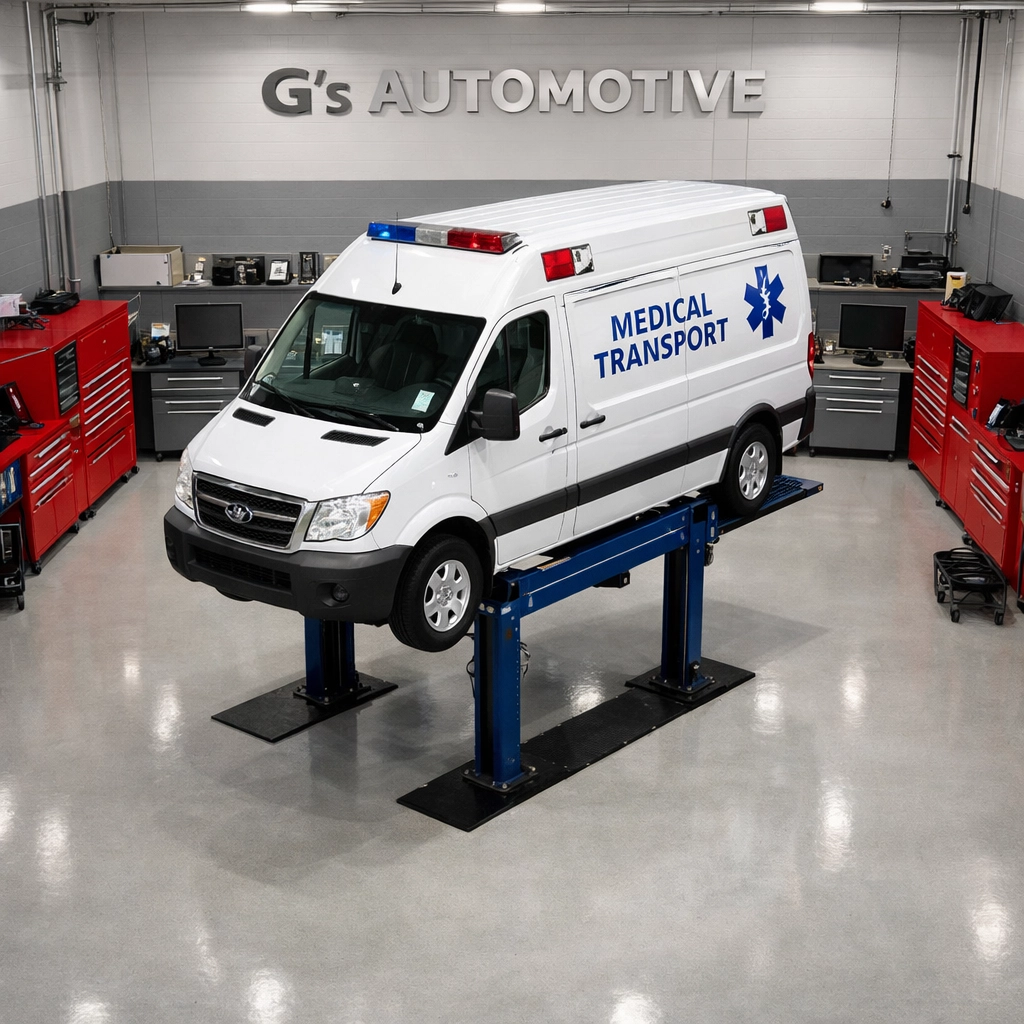
We know you have choices when looking for fleet care. At G’s Automotive, we specialize in the unique needs of local businesses and medical transportation providers. We understand that for you, time is literally money.
We provide transparent, expert service without the “upselling” fluff. Whether you need a quick vehicle inspection or complex transmission diagnostics, our goal is to get your driver back on the road safely and swiftly. We treat your fleet like it’s our own because we know how much our community relies on the services you provide.
Take the Stress Out of Fleet Management
Managing a fleet shouldn’t feel like a constant game of “Whack-A-Mole.” With a solid plan, a dedicated inventory, and a trusted local mechanic, you can turn your vehicle operations into a streamlined, predictable part of your business.
Ready to get your fleet on a winning schedule? Contact G’s Automotive LLC today to discuss a customized maintenance plan that fits your budget and your timeline. Let’s keep Millville moving together.