Tire Pressure Monitoring System (TPMS): How It Enhances Safety, Performance, and Fuel Efficiency

Tire Pressure Monitoring System (TPMS): How It Enhances Safety, Performance, and Fuel Efficiency

If you’ve driven a car in the last decade, chances are you’ve seen a small warning light on your dashboard that looks like an exclamation mark inside a horseshoe shape. That’s your Tire Pressure Monitoring System (TPMS) doing its job — alerting you when your tire pressure is off. But beyond just a warning light, TPMS plays a crucial role in your vehicle’s safety, performance, and fuel efficiency.

Let’s dive into what TPMS really is, why it matters, and how keeping it properly maintained, including timely TPMS sensor replacement and calibration, can save you money, keep you safe, and extend the life of your tires

TPMS Calibration, TPMS Sensor Replacement, TPMS Calibration

What is TPMS and How Does It Work?

TPMS is an onboard system that monitors the air pressure inside your tires. It was mandated by the U.S. government starting in 2007 for all new cars, and since then, it has become a standard safety feature worldwide.

There are two main types of TPMS:

  • Direct TPMS: This system uses sensors installed inside each tire to measure the exact air pressure and transmit that data wirelessly to your car’s computer.
  • Indirect TPMS: This type doesn’t use pressure sensors but instead relies on your vehicle’s ABS (anti-lock braking system) sensors to detect differences in wheel speed, which can indirectly suggest low tire pressure.

Direct TPMS is the most common and accurate system found in modern vehicles, including many European imports serviced here at G’s Automotive in Millville, NJ.

Why Tire Pressure Matters More Than You Think

Tires are the only part of your vehicle that touches the road, so their condition and performance affect everything — from safety and handling to fuel consumption and tire wear.

  • Safety First: Underinflated tires reduce your vehicle’s stability and increase stopping distances. Low pressure can cause tires to overheat and potentially lead to dangerous blowouts.
  • Optimized Performance: Properly inflated tires maintain the handling characteristics designed by the manufacturer, helping your car corner and brake as intended.
  • Fuel Efficiency: Tires that aren’t inflated to the correct pressure create more rolling resistance, meaning your engine has to work harder, burning more fuel.
  • Tire Longevity: Incorrect tire pressure leads to uneven wear. Overinflated tires wear more in the center, while underinflated tires wear more on the edges, shortening their lifespan.

According to the U.S. Department of Energy, properly inflated tires can improve fuel economy by up to 3%, which adds up to real savings over time.

The Role of TPMS in Safety and Performance

TPMS isn’t just a convenience — it’s a critical safety tool. Here’s how it protects you on the road:

  • Early Warning: The system alerts you to low tire pressure before it becomes a hazard, so you can address the issue before it affects your driving.
  • Prevents Tire Damage: Keeping tires at the right pressure reduces the risk of blowouts and punctures, preventing costly repairs or replacements.
  • Maintains Handling: With properly inflated tires, your vehicle responds predictably during emergency maneuvers, helping you avoid accidents.
  • Improves Braking: Correct tire pressure means better contact with the road, which shortens braking distances.

For performance vehicles and those who drive on varying terrains, like many of our customers with European imports, TPMS is a vital component in maintaining peak vehicle handling and safety.

TPMS Maintenance: Why Calibration and Sensor Replacement Matter

Like any automotive system, TPMS requires maintenance to function correctly. This includes TPMS sensor replacement when sensors fail or batteries die (they typically last 5-10 years), and TPMS calibration after tire rotations, replacements, or repairs.

  • TPMS Sensor Replacement: Sensors can get damaged during tire changes or corrode over time. Faulty sensors lead to inaccurate readings or failure to warn you of low pressure. Replacing sensors promptly ensures your TPMS system works properly.
  • TPMS Calibration: After servicing your tires—whether it’s rotating, replacing, or balancing—the TPMS needs recalibration to correctly identify each tire’s pressure readings. Without calibration, the system may give false warnings or fail to alert you.

At G’s Automotive, we specialize in precise TPMS calibration using the latest diagnostic tools to ensure your vehicle’s system is accurate and reliable.

Signs You Might Have a TPMS Issue

Knowing when your TPMS needs attention can prevent bigger problems down the road. Look out for:

  • Persistent TPMS warning light even after inflating tires properly
  • Inconsistent or missing tire pressure readings on your dashboard
  • Tire pressures that seem off or you experience frequent flats or uneven wear

If you experience any of these symptoms, bring your car to a trusted shop like G’s Automotive. Our expert technicians will diagnose and repair your TPMS system quickly and affordably.
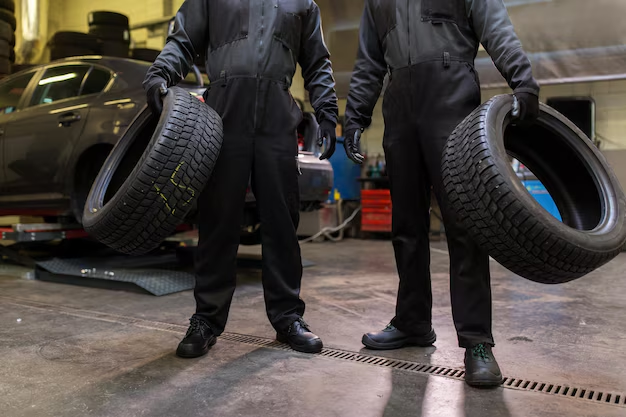
TPMS Calibration, TPMS Sensor Replacement, TPMS Calibration

How Proper TPMS Maintenance Saves You Money

Ignoring your TPMS can lead to hidden costs:

  • Reduced Fuel Economy: Low tire pressure increases rolling resistance and fuel consumption.
  • Premature Tire Wear: Tires wear unevenly and need to be replaced sooner.
  • Increased Risk of Tire Failure: Blowouts or flats can result in costly emergency repairs.
  • Potential Safety Risks: Increased risk of accidents due to poor handling and braking.

By investing in regular TPMS sensor replacement and calibration, you not only protect your investment in tires but also avoid more expensive repairs and keep your vehicle safe and efficient.

Beyond the Basics: TPMS in the Modern Automotive World

The automotive industry is evolving rapidly. TPMS technology is advancing with new features such as integration with smartphone apps, real-time monitoring, and alerts even when the vehicle is parked. These innovations help drivers stay even more informed about their tire health.

European cars and imports, which are a specialty at G’s Automotive, often come equipped with sophisticated TPMS that require expert handling during repairs and maintenance. Our team’s combined experience of over 50 years ensures we keep your advanced systems running flawlessly.

If you haven’t checked your tire pressure recently or your TPMS light has been on, now is the perfect time to schedule a visit. Keeping your TPMS system in top shape means safer drives, better performance, and savings at the pump. Whether you need TPMS sensor replacement, TPMS calibration, or a routine tire inspection, the expert technicians at G’s Automotive in Millville, NJ, are here to help.

Don’t wait for a warning light to become an emergency. Call G’s Automotive today or book your appointment online to experience expert care, honest service, and peace of mind on every journey.